Telemedicine App Development Company

Topflight at a glance

Topflight builds healthcare apps for patients and care teams from our base in Irvine, California. We use discovery and tested prototypes to work out what to build before development starts.

Question

Topflight at a glance

Where is the company based?

Irvine, California. You can find our office address and contact details on the company page.

Which healthcare apps have you built?

Geneium’s DNA-based skincare app, AlgoRX’s prescription platform, and the iFaint research dashboard built with Medable for Stanford Medicine.

How do we get started?

In discovery, we work through your clinical workflows and estimate the build. A prototype lets you test the patient and provider experience before development.

How is the team selected?

During discovery, we’ll discuss who’ll handle development and security for your app, based on its features and integrations.


Why telehealth app development services matter

We build virtual care around when your clinicians are available and how your patients reach them. That includes consent for video visits and a clear way to get help between appointments.

Remote-Care-Access

Remote care access

A virtual visit can save a trip to the clinic. We build around the states you serve and include referrals for patients who need an in-person exam.

24:7-Patient-Support

Patient support between visits

Patients can send messages and receive reminders between visits. If you provide after-hours care, we can route urgent requests to the on-call clinician.

Lower-Cost-of-Care

Cost of care

Patients can save travel time when a visit can happen remotely, and clinics can use appointment capacity differently. Whether that lowers operating costs depends on your staffing and reimbursement.

Faster-Care-Delivery

Care delivery and case review

Clinicians can review patient photos and follow-ups between scheduled visits. We plan response times and urgent requests around the staff you have available.

Better-Patient-Outcomes

Patient follow-up and outcomes

Check-ins let your care team follow symptoms between appointments. Your clinicians decide which changes need review and where the app sends those concerns.

Reliable-Video-Consultations

Reliable video consultations

When a video call drops, patients need a way to reconnect or continue the visit another permitted way. We test calls on weak connections and plan that fallback.

Challenges we solve with our telemedicine app development services

We start with the work that’s slowing your team down or holding up launch, then decide what the app needs to do.

Slow time-to-market

Before writing custom code, we check whether existing video and scheduling tools will do the job. We also put vendor contracts and EHR access on the launch plan, since either can hold up release.

Fragmented systems

Copying notes between video, EHR and lab tools takes staff time. We decide where each record lives, then use FHIR or HL7 where supported to send updates to clinicians.

Compliance burden

HIPAA and state practice rules shape different parts of the app. We trace PHI through your vendors and document access controls and audit requirements for your compliance team.

Scaling problems

We test your expected peak visit volume before release, including what happens when services fail. That helps us plan video capacity and cloud costs, and choose what to monitor as use grows.

High churn

A patient should be able to complete intake and join the first visit without staff walking them through every screen. We test that path with users and use visit and reminder data to identify where they drop out.

Billing friction

We work with your billing team on claims and patient payments, including the visit documentation your payers need.

Request a proposal for an app

Telemedicine app development solutions we build

We build around the care your clinicians deliver. Your specialty’s assessment protocols and escalation rules guide the features we choose.

Teledermatology

For teledermatology app development, we can build secure photo uploads and dermatologist review queues. Geneium gives users DNA-based skincare reports they can export to dermatologists.

Teledentistry

Patients can send dental photos for triage or join a video consultation. We build the review queue and patient follow-up around your dentists’ care process, including when to book an in-person exam.

Teleneurology

Telestroke teams need video exams and assessment results during the visit. We can add NIHSS capture and connected-device readings, with an escalation route for cases that can’t be assessed remotely.

Telemedicine in obstetrics and gynecology

Prenatal and postpartum care can combine video check-ins with home blood-pressure readings. Your clinical team decides which readings to collect and when a patient needs an in-person visit.

Telepharmacy

Pharmacists can review counseling requests alongside patients’ medication information. We plan prescription routing and refills with your pharmacy partners, including who reviews interaction alerts.

Telesurgery

Surgeons can use secure video for consultations and post-operative wound reviews. For operating-room proctoring, we plan around acceptable latency and the participating clinicians’ protocols.

Telecardiology

Give your cardiologists ECG and blood-pressure trends, with device details alongside each reading. We work with your clinical team to set alert thresholds and decide who responds.

Teleophthalmology

Retinal screening starts with fundus-camera images that specialists can review. We build image-quality checks and referral tracking around your diabetic retinopathy protocol, so clinicians can identify patients who need an in-person exam.

Telenursing

Nurses can review triage and post-discharge requests in one queue. When a patient needs a prescribing clinician or an in-person visit, your nurses can pass the request to the right person.

Telerehabilitation

Therapists can check exercises over video and follow progress logs between visits. If you want motion data, we’ll check what the device can capture and how your therapists will use it.

Telepathology

Remote specialists need to view whole-slide images and send their findings back to your lab. We plan for the large files and control access, while keeping a history of each review.

Telenephrology

Bring lab results and supported device readings together for your CKD and home-dialysis patients. We plan video rounds and escalation around the clinicians who’ll monitor them.

Telepsychiatry

Scheduling and intake should fit how your clinicians evaluate patients and manage medications. We can include PHQ-9 questionnaires in the intake. For XZEVN, we built emotion journaling and reading recommendations.

Doctor on-demand software

Patients request a visit, and the app finds a clinician who’s available and authorized to treat them in their location. We build matching around your payment rules.

Telemedicine app development cost

Our healthcare app development cost guide gives 2 budget ranges for telemedicine builds. The right budget depends on the features and integrations you need.

Build type

Planning budget

What it covers

What to plan for

Production MVP

$100K–$150K

Video visits, scheduling, clinical notes and basic analytics.

Deep EHR write-back is left for a later phase. We’ll confirm the video provider and first clinical workflows during discovery.

Expanded telemedicine build

$300K–$400K+

EHR read/write and multi-clinic care, plus the e-prescribing, eligibility or RPM features your product needs.

Vendor access can change the work involved. Plan separately for running costs and ongoing support.

EHR access and provider routing can change both the budget and the schedule. We check those dependencies during discovery, then give you an estimate for each phase. The roughly $200K case studies below show what clients spent on their particular projects.


Telehealth regulations and reimbursement

The states you serve and the clinicians on your team shape what the app needs to do. We work through practice rules and billing before choosing features.

Topic

Product decision

Current policy

Licensing and interstate care

Record patient location at each visit, then route the request to a clinician who’s authorized to practice there. Keep the clinician’s location on record too.

IMLC expedites separate physician licenses.

NLC uses multistate licenses for qualifying RNs/LPNs, excluding APRNs. PSYPACT requires E.Passport and APIT for psychologists practicing from their declared home state.

PT Compact privileges follow the patient’s state rules. Each compact applies within participating jurisdictions; state exceptions vary.

Controlled prescribing

Record the visit format and previous evaluations with each prescription. Update prescribing rules as requirements change.

DEA’s temporary Ryan Haight pathway lets qualifying DEA-registered practitioners prescribe Schedule II–V medications without a prior in-person evaluation through December 31, 2026. The default is an audio/video visit; audio-only prescribing is limited to certain opioid-use-disorder medications, and state requirements still apply.

Reimbursement and coding

Check which services each payer covers. Bill using the patient’s location and claim type.

Medicare permits covered telehealth from any US location, including home, through December 31, 2027. Home audio-only flexibility shares that deadline.

POS 02 means outside the patient’s home; POS 10 means at home. Modifier 95 requirements depend on payer and claim type, including hospital outpatient therapy.

Coverage parity concerns covered benefits and terms; payment parity concerns provider rates.

Privacy and vendor agreements

Check vendor agreements and who can access PHI at each step.

OCR’s telehealth transition ended August 9, 2023. Covered providers and plans need HIPAA-compliant vendor services and applicable BAAs.

Decide who’ll own the practice and make clinical decisions before launching a provider network. California’s corporate-practice-of-medicine restrictions, for example, reserve certain clinical decisions for licensed physicians.

Regulatory sources checked October 1, 2026.


Technologies we use for telemedicine app development solutions

The tools we choose depend on what your app needs to do and where it sends patient data. We check the BAA and eligible services for any vendor handling PHI.

Video and real-time communication

We can build calls and visit messaging with WebRTC or providers such as Agora, Twilio Video and Vonage. We check the applicable BAA and how PHI moves, then test call recovery on your supported devices.

Cloud and compliance infrastructure

We use HIPAA-eligible services on AWS, Google Cloud or Microsoft Azure, with the applicable BAA. We set up encryption and access logging for your app.

Mobile and web

We use Swift or Kotlin for native apps, or React Native when it makes sense to share mobile code. React supports browser apps; HealthKit and Health Connect connect to data on the device, while cloud data uses separate vendor APIs.

Interoperability and AI

FHIR and HL7 move clinical data between systems; SMART on FHIR handles authorization and app launch. For AI features like note drafting and chat assistance, we set limits on data access and decide with your clinicians what needs review.

Our healthcare clients

cedars sinai
cleveland clinic
stanford medicine
merck
medable

Our web-based telemedicine app development services

Browser access across devices

Patients can open your web app on their phones, while clinicians use it on clinic workstations. We check the browsers you need, including camera and microphone access.

EHR integration and interoperability

We can include patient portals and EHR note write-back through FHIR or HL7 in your custom telemedicine app development project. We check what your EHR allows and plan for failed syncs or duplicate records.

Request a proposal for an app

Mobile telemedicine app features

We’ll choose native iOS and Android or React Native based on how your patients use the app. Device access and push notifications are part of that decision.

Video visits

Patients can wait for their appointment and join a secure video visit with a caregiver or interpreter. We plan how they’ll rejoin if the connection drops.

Secure messaging

Secure chat lets patients send follow-up photos and receive care instructions. We work with your care team on message access and retention, including which messages belong in the visit record.

Appointment scheduling

Patients book against provider calendars and can reschedule within your clinic’s rules. Reminders use the channels and consent choices you approve.

E-prescribing

We connect e-prescribing to your pharmacy workflow, including refill requests and medication lists. Permissions follow the clinician’s prescribing authority and the requirements for each medication.

Remote patient monitoring

Your remote patient monitoring app can bring supported device readings into the chart between visits. We work with your clinicians to set alert thresholds and decide who receives each alert.

We handle push notifications and app store submission, along with the payment and device connections your app needs. For Android readings, we use Health Connect or a supported cloud API, depending on where the data is stored and what access is available.

Telemedicine app integrations

As a telehealth app development company, we connect your app to the clinical and payment systems you use. During discovery, we work out which data needs to move and how to recover from system outages.

EHR / EMR integration

For Epic EHR integration, Oracle Health or athenahealth, we start with the APIs your organization can access. Then we map how notes, vitals, appointments and prescriptions move between systems, using native APIs or middleware where needed.

FHIR and HL7 standards

FHIR resources and HL7 v2 interfaces handle different parts of EHR interoperability. SMART on FHIR handles authorization and app launch. We check which USCDI and US Core versions your EHR supports, along with its SMART requirements. A newer USCDI release doesn’t change the vendor’s API on its own.

Payment gateways

Stripe or Braintree can handle patient payments and subscriptions. We work through refunds and PCI responsibilities with your processor, and plan a separate claims workflow for insurance billing.

Wearables and medical devices

Your clinicians can review Apple Watch and supported medical-device readings in the dashboard. We use HealthKit or Health Connect for device-held data and check Google Health API migration and access for Fitbit cloud connections. Each device’s measurements and vendor permissions determine which readings we can retrieve.

Technical leadership for healthcare development

During discovery, we’ll explain who’ll lead your app’s architecture and development, and who’ll review security before release.

Our technical team includes Alin Hucea and Francesco Mantovani, both Tech Leads, and Khurram Islah, our Head of Security. Meet more of the people behind our healthcare apps in our company profiles.


Why Topflight Apps?

pharmacy app developers

Healthcare product experience

Our healthcare apps development services include work on Medable‘s clinical-trial platform and its dashboard for Stanford Medicine‘s iFaint study. As a telemedicine app development company, we’ve also built products for Athcorp, ARA Genomics and Cleveland Clinic.

Cloud capacity and secure architecture

We build on HIPAA-eligible AWS, Google Cloud or Microsoft Azure services, with the BAAs your project requires. We configure access controls and audit logs for your patient data. For video tools such as the Agora SDK, we test weak connections and plan how patients rejoin interrupted visits.

healthcare and pharmacy app development
building telepharmacy application

Interoperability and care handoffs

FHIR and HL7 connections can send visit notes and other clinical data back to your EHR. We check what your EHR can read or write, then plan provider calendars and on-call routing with your team.

AI and user-centered product design

We choose AI and machine learning features around the clinical task and the data you can use. Our custom mobile app development process includes testing with real patients and clinicians, so their feedback shapes what we build.

build telepharmacy app

Bring your idea or prototype. We’ll work out what goes into the first release, then adjust the roadmap as we learn from your users.

What makes a successful telemedicine platform

An example of telemedicine enabled software

Patients should be able to book, complete intake and join the right clinician’s visit without losing track of what’s next. If a connection drops, they need a way back in.

On the provider side, scheduling needs to match clinician availability. Intake answers and visit history should arrive before the consultation starts.

Choose video conferencing that fits your consent and recording rules. Test the visit flow on weak networks, including what happens when patients reconnect.

Keep encounter notes and the follow-up plan in the visit record, and make sure they reach the systems your care team uses.

See what we’re building and where it stands

Our telehealth app development process

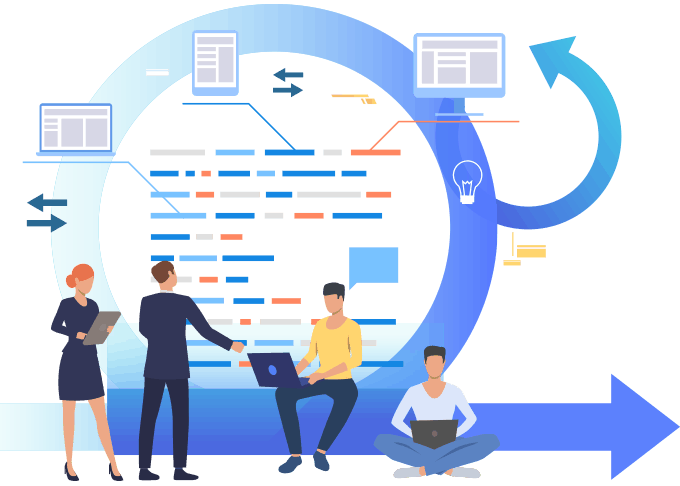
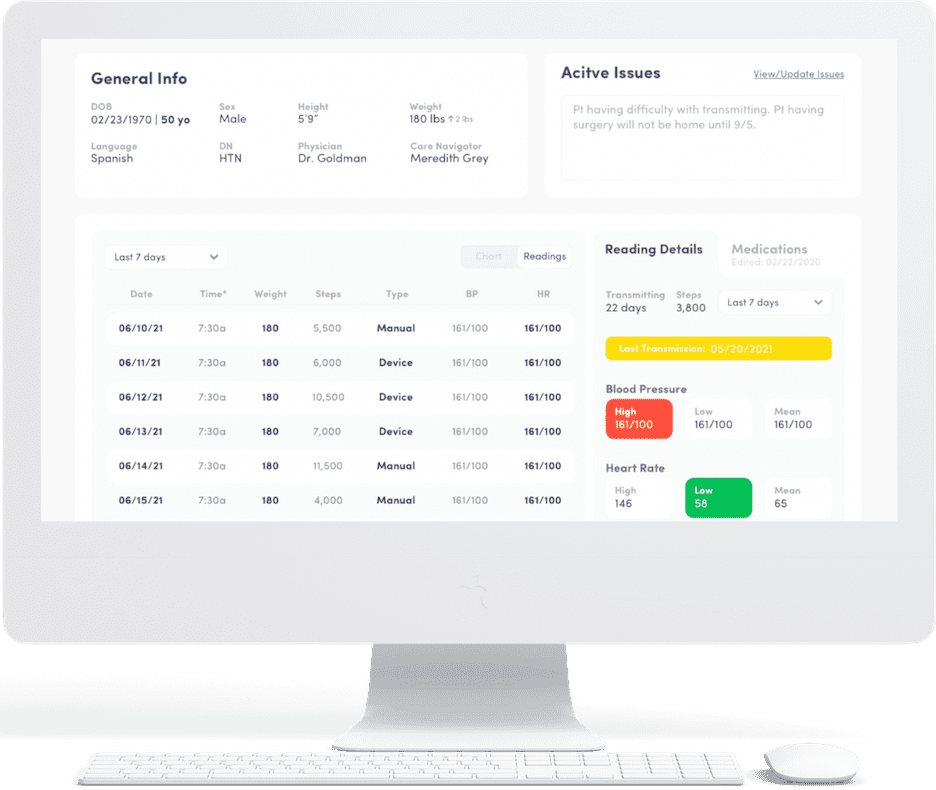
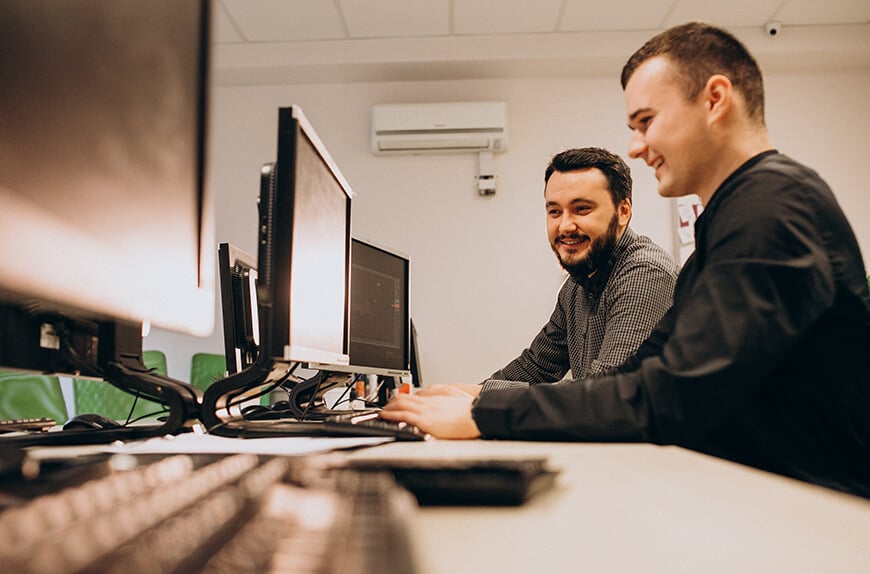
IT specialists working on requirements for a telemedicine app

Requirement analysis

We start telemedicine app development by looking at who’ll use the app and what each visit needs to capture. We check EHR and vendor limits before choosing the stack and estimating your first release.

Deliverables: Requirements document (SRS), development estimate

UX ideation

A clickable prototype lets you test patient and clinician journeys before telemedicine software development starts. We use the feedback to fix the flow while changes are still cheap.

Deliverables: Clickable application prototypes

Designers working on the UX for telemedicine software
UI design in action; crafting high-fidelity designs for telehealth apps

High-fidelity design

Then we turn the tested flows into screen designs and navigation. We include the states you’ll need for incomplete forms and dropped connections.

Deliverables: design assets, high-fidelity prototypes.

App development

We build in 2-week sprints, with demos and a weekly progress check-in. Your product manager keeps you up to date on the roadmap and estimates as we build features and connect vendors.

Deliverables: application code, beta versions

Telemedicine app developers at work
QA engineers testing a telemedicine app

Quality assurance

QA runs through each sprint, including regression tests as features change. Your team can try the release on staging and give feedback on the patient and clinician flows.

Deliverables: source code, a ready-for-deployment application

Product launch

We release your app to the app stores or your production web environment. You receive the source code, and you can keep working with us on updates and support as usage grows.

Customers using a mobile telemedicine app on a tablet

Request a proposal for an app

Telemedicine app development case studies

AlgoRX: prescription e-commerce platform

AlgoRX is a prescription storefront for non-controlled medications. Patients complete an eligibility questionnaire at checkout, and providers review pre-filled SOAP notes before approving orders. We built multi-pharmacy routing and a patient portal with HIPAA safeguards; the MVP shipped on time, and AlgoRX retained us for ongoing work.

E-commerce + e-prescribing · NextJS, Supabase, DoseSpot

Read the AlgoRX case study

Symptom tracking platform for a telehealth company

We helped a San Francisco telehealth company take its product through discovery and UX/UI, then built a web app that works on mobile screens. Patients track symptoms, medications and diet, while clinicians review the trends in a React Native dashboard. The client rated us 5.0 overall in its Clutch review.

~$200K · 12-month engagement (April 2022–April 2023)

Mobile telehealth app for iOS and Android

We built iOS and Android apps with AWS and RevenueCat for a telehealth founder in Burton, Michigan. In their Clutch review, the client rated us 4.5 overall and 5.0 for willingness to refer.

~$200K · November 2021–August 2023 engagement

Testimonials

“We hired them for an MVP, but they delivered what feels like an entire platform.”

Ray Arias, Owner, ARA Genomics. Read the Geneium case.

Our awards and industry recognition

Topflight was a 2022 Inc. 5000 honoree. You can also read our client reviews on Clutch and view our GoodFirms profile.

good firms badge

Frequently asked questions

Updated October 1, 2026.


How much does it cost to develop a telemedicine app?

Budget $100K–$150K for a telemedicine MVP with video visits, scheduling, notes and basic analytics, leaving deep EHR write-back for later. Our healthcare app development cost guide estimates $300K–$400K+ for expanded builds with EHR read/write and features such as e-prescribing and RPM. Your estimate will depend on the features and integrations you need at launch.

How long does it take to build a telehealth application?

We estimate your first release during discovery, after checking the integrations it needs. Development runs in 2-week sprints; EHR access and vendor approvals can affect the schedule. The San Francisco project above was a 12-month engagement.

Does my telehealth app need to adhere to the HIPAA regulations?

Yes, if your app handles PHI for a covered entity or business associate. We map how that data moves and choose vendors that can meet your HIPAA requirements, including applicable BAAs.

Should I choose an off-the-shelf telemedicine product and apply my branding or instead build a custom telehealth service?

A ready-made product makes sense when its workflows and vendor agreements fit your practice. Choose custom development when you need different clinical routing or deeper EHR connections, and work through those requirements before picking a platform.

Which platform is best for my telemedicine app: desktop, mobile, web, etc.?

Choose the platform around how patients attend visits and the devices they use. A responsive web app works for booking and clinician dashboards; mobile apps suit recurring sensor readings and patient check-ins.

How does a telemedicine app integrate with EHR/EMR systems?

Our telemedicine app development services connect to the APIs your EHR supports and your organization can access. We map appointments and visit notes, then test the connection in the vendor sandbox. Where the EHR supports SMART on FHIR, we can use it for authorization.

How do you ensure data security in a telemedicine app?

Our telemedicine app development company reviews who can access PHI and builds in encryption, role-based permissions and audit logs. We configure cloud services under the applicable BAAs and document how your team should operate these safeguards.