





Rehabilitation App Development: Building Digital Solutions for Physical Therapy and Recovery
Most rehab products fail quietly: patients stop following the plan, therapists don’t trust the data, and the app turns ...

We’re a healthcare app development company that designs and builds products that improve patient experience and streamline clinical workflows. Our healthcare app development services cover AI, strategy, UX/UI, engineering, and ongoing optimization—so teams can launch and scale faster.
As experienced healthcare app developers, we ship compliant-by-design products and prioritize HIPAA-aligned security practices from day one: PHI protection, least-privilege access, auditability, and privacy-by-design in both UX and architecture.
Topflight is a medical app development company trusted by startups and established healthcare organizations, with a track record recognized through client outcomes, awards, and industry rankings. We deliver healthcare app development solutions that reduce operational friction without compromising security.
We can help you design, build, and scale a secure healthcare app.
Without our multi-faucted team, we couldn’t have ranked #171 in software in the 2022 Inc5000. And without our team, we wouldn’t have won any of these awards either:










We deliver healthcare application development services across strategy, build, and long-term evolution—so your product stays usable, secure, and maintainable as requirements change. This scope covers new builds, upgrades, and ongoing improvements.
Define the product, map workflows, and ship a patient-facing or clinician-facing app (web + mobile) with HIPAA-aligned security built in.
Keep the app stable and compliant: fix issues, improve performance, ship incremental updates, and harden security as usage grows.
Refactor or rebuild legacy systems, upgrade platforms, and modernize architecture without breaking clinical workflows or data flows (e.g., FHIR/HL7).




As healthcare app developers and healthcare mobile app developers, we build web + mobile products that support real-world workflows—patient engagement, clinical operations, and org-level coordination—without turning your team into full-time “app babysitters.”
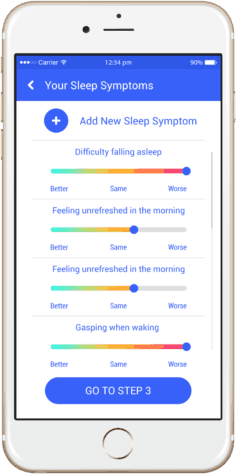
Patient portals, remote patient monitoring, telehealth experiences, medication and symptom tracking, and engagement features that reduce drop-off and support adherence.
Clinician tools for documentation, scheduling, staff on-demand workflows, lightweight EHR-style experiences for specific use cases, and decision-support add-ons. Built with workflow-driven UX and security-first access controls.
Organization-level apps for care programs and operations: internal dashboards, workflow automation, integrations (FHIR/HL7 where applicable), and custom platforms that connect teams and systems.
Whether it’s a health care app for patients, a hospital app for care teams, or a clinic app for front-desk workflows, we design each medical application to improve patient care and measurable patient outcomes for healthcare providers.
Our health app developers build integration-ready healthcare apps and apply security controls early to support interoperability and protect PHI.
We integrate healthcare apps with EHR/EMR and adjacent systems using APIs and common healthcare data standards (e.g., FHIR/HL7) when required, so data can move safely across workflows instead of getting trapped in yet another silo.
Our healthcare application development services are built around healthcare-specific compliance needs—typically HIPAA and HITECH, plus FDA clearance when you’re building regulated sensor + software products.
We also align to relevant technical/security standards and platform requirements, including IEC 62304, ISO 27001, SOC 2 Type 2, and applicable privacy regulations (e.g., GDPR), plus ecosystem standards like Apple CareKit/HealthKit guidance, Android health guidance, and Apple MFi where needed.

Our security measures are built around data security and data privacy for patient data, with regulatory compliance mapped to the applicable standards.
Here are four iconic healthcare apps we’ve built recently that demonstrate the blend of our design and mobile medical app development expertise. Check out these case studies:
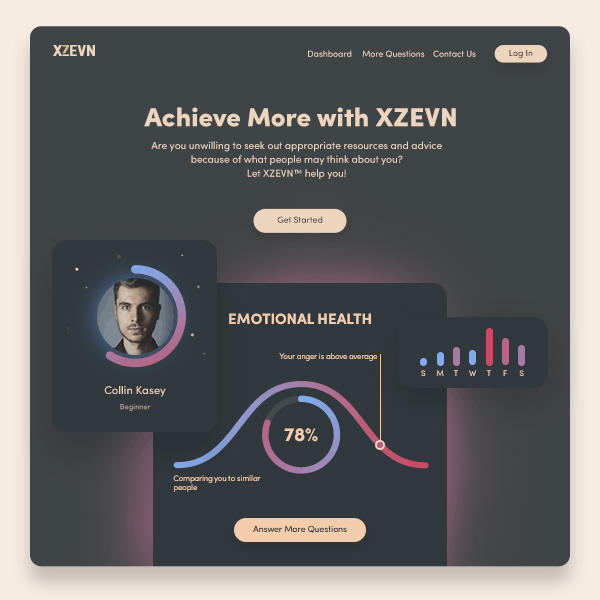
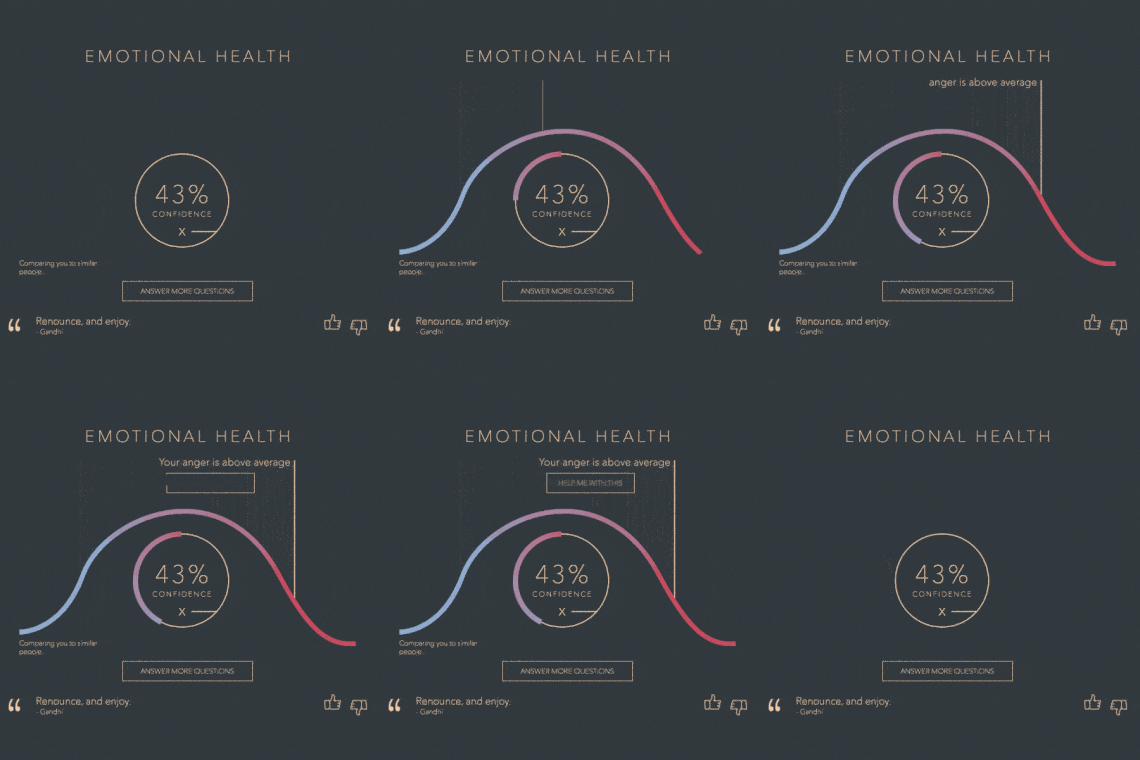
A responsive web app that leverages Machine Learning and chatbot technologies to help people find peace of mind; features a mold-breaking UX UI design.
Clinical Trial Management Software
Topflight became the healthcare mobile app development company that Medable chose as a trustworthy technology partner for a health monitoring app.
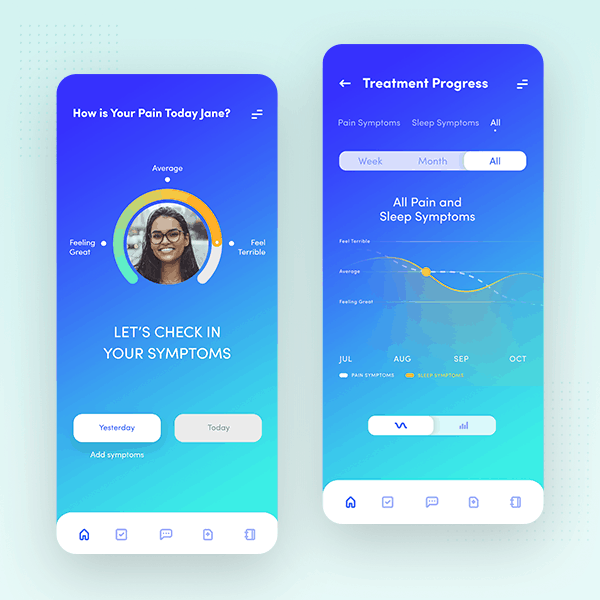
A remote patient monitoring app to track patients’ progress, refill prescriptions, message doctors, keep diaries during treatment to support medication adherence, and visualize health.
Remote Patient Monitoring Platform
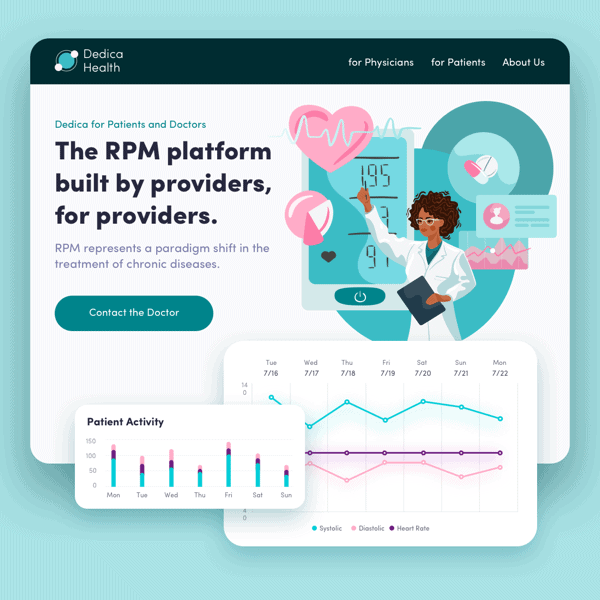
Topflight developed a robust yet intuitive RPM platform for chronic disease management that reads and analyzes patients’ health data from certified medical sensors.

Problem: Medical coding is slow and error-prone at scale—teams miss codes (and revenue) and burn time reviewing huge volumes of notes.
Solution: We helped build GaleAI, an AI medical coding platform that can analyze thousands of notes in a few seconds and cut coding effort by 97%, with integrations into EHR/medical APIs.
Outcome: Reported gains include up to 15% higher revenue. In a 1-month audit, GaleAI identified 7.9% more codes than human coders—equated in the case study to $1.14M/year in lost revenue from undercoding, with the tool’s cost noted as <1% of gained revenue.
Topflight has been a complete end-to-end solution for helping us launch our software and get it into the hands of users as well as performing and integrating automated testing. They have been with us every step of the way helping with design, marketing, and management.
The biggest thing we’ve got with them is growth. This medical mobile app development company has taken us from pre-revenue to revenue, staring to get users, putting out first products. They really helped us navigate the waters and grow. Full review on Clutch >>
Our challenge was somewhat unique. I was looking for a development company that could handle novel technologies and had experience working with early-stage startups.
From the start, I had peace of mind about the outcomes of this project — it’s hard to put a price on that. Their flexibility and their previous expertise in bringing great solutions to the market are remarkable. Full review on Clutch >>
I had many reservations about outsourcing design and development completely. We were able to slowly shift with Topflight team and pick up pace as needed. They’ve perfected their business model with exceptional project and product management and ongoing collaboration.
We were thrilled with all of the production of Topflight. They went above and beyond as a team to meet our needs, hit the targets and build us a really beautiful experience that accelerated revenue and the acquisition of our software. Full review on Clutch >>
I have been super impressed with them from the very beginning. They really got the vision that I wanted with the app and all of the intricacies of how the workflow is currently and how we can make it better. They’ve been very, very quick to act and have really done this within an excellent budget for what we set out for.
Topflight really got our vision, acted fast, and delivered within budget. Our MVP is live, customer feedback is extremely positive, and we’re ready to commercialize. I’d recommend them without reservation. Full review on Clutch >>
They delivered our product on the exact day that they said that they would. And the best part was that product far exceeded any expectations that we had. We were so impressed with the product that we decided to hire them for continuing ongoing support. And that has also been amazing! Myself and the entire AlgoRX family are forever grateful to Topflight and everything they’ve done for us. We highly recommend them. We wouldn’t think twice about going with them for any of your needs. Full review on Clutch >>
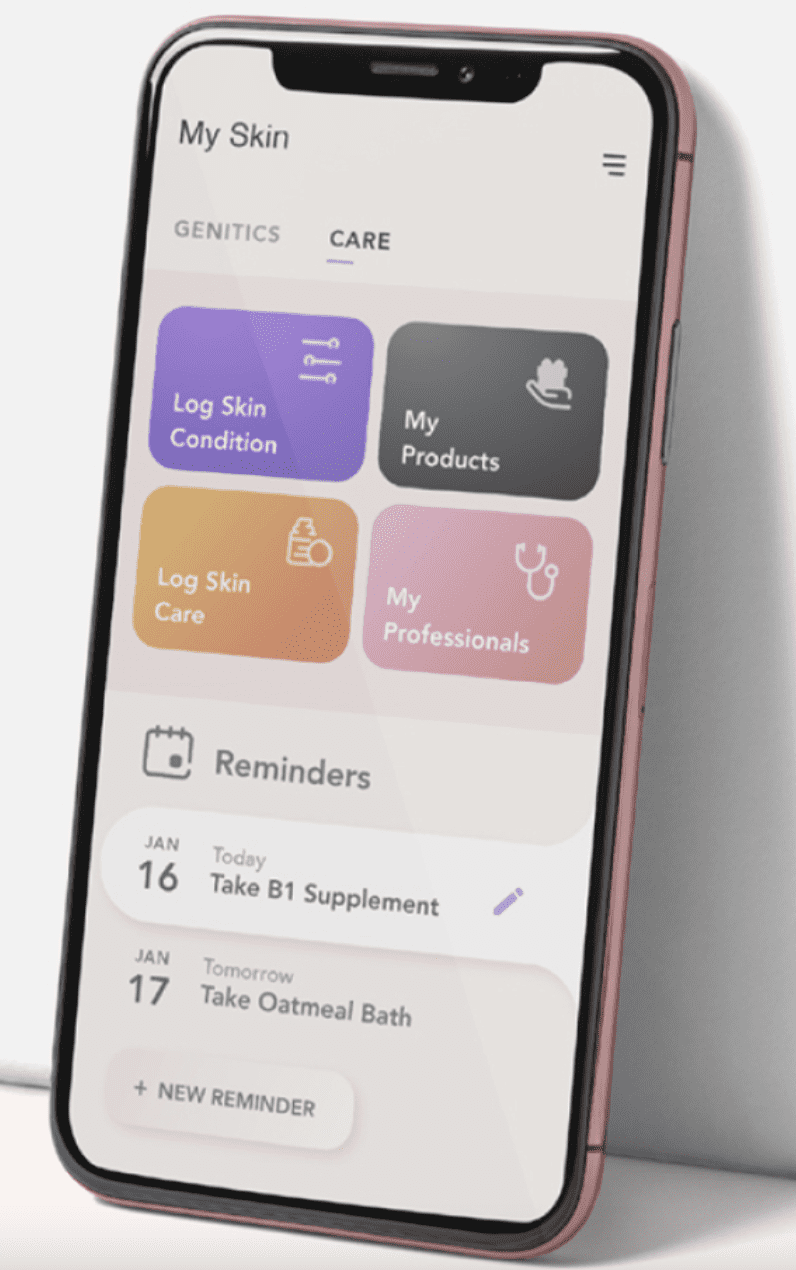


Here are the ranges we typically see for healthcare app development services:
MVP: ~500 hours, 1.5–2 months, starting at $60,000
Prototype to Traction: ~1,000 hours, 2–3 months, typically $120,000–$150,000
For a “basic MVP,” budgets often land in the $70,000–$150,000 range. If you need a more sophisticated build—e.g., cloud services plus EHR/IoT integrations or ML/AI features—projects can reach $200,000+. We also take on early prototypes for promising products that sometimes start at $40,000–$50,000.
For products that mature past MVP, we often plan a 12 months roadmap (iterations, integrations, security hardening).

Request a proposal for your next project
A compact, transparent process: define the blueprint, validate the UX early, build in short sprints, test hard, then launch and keep improving.

We define goals, workflows, and the technical blueprint (architecture + key integrations). You get clear scope and estimates early—less budget surprise, fewer “oh wait” rebuilds later.
We prototype fast and validate flows with real users before coding, then apply UI polish for a clean, conversion-friendly experience. This reduces rework and de-risks adoption (especially in clinician workflows).


We build in Agile 2-week sprints with regular demos and progress check-ins. You see what’s shipped, what’s next, and how we’re tracking against estimates—no black box.
We run unit + beta testing and verify the basics that kill adoption if missed: core flows, performance, security, responsiveness, and content/UX issues. This keeps the release stable when it hits real users.


We ship to app stores / production, then maintain and improve as platforms and requirements evolve. Most teams keep us on for updates, fixes, and iterative product growth.
Custom builds let you match real clinical workflows, control data flows, and avoid vendor constraints—without shipping a “generic app with a healthcare sticker.”
A custom roadmap forces early decisions on workflows, integrations, and compliance needs—so scope, timeline, and budget are visible before build-out (and don’t explode mid-sprint).
You build only what supports your care model (not a bloated feature set), which cuts rework and accelerates launch—especially when discovery + prototyping happens before code.
Workflow-driven UX reduces friction: fewer taps, clearer actions, and less “where do I click?” fatigue—key for clinician buy-in and patient adherence. That’s what makes the product genuinely user friendly for both patients and clinicians.
When HIPAA-aligned controls and PHI boundaries are designed upfront, you avoid expensive retrofits—and you get a foundation that can handle growth, audits, and integrations.
Our medical app developers build native iOS apps for performance, reliability, and a polished user experience—especially important for patient engagement and clinician workflows.
Languages & Core Frameworks: Swift, SwiftUI, UIKit.

We develop Android apps that stay stable across devices and OS versions, with a UI that doesn’t fall apart on edge-case screens.
Languages & Core Frameworks: Kotlin, Jetpack (Compose), Android SDK.
We build responsive web apps and admin portals for providers and operations teams, with clean UX and maintainable front ends.
Languages & Core Frameworks: TypeScript, React (front end), Node.js / .NET (back end) depending on the system needs.

We add AI where it actually helps: document automation, coding/claims support, triage, search, summarization, and workflow assistance—while keeping PHI boundaries and auditability in mind. We build AI powered features and AI/ML workflows that use data analytics to enhance patient engagement without blurring PHI boundaries.
Languages & Core Frameworks: Python (ML services), common LLM/ML APIs, plus secure integration patterns.
When blockchain is justified (rarely), it’s usually for audit trails or multi-party data integrity—not as a “healthcare buzzword feature.”
Languages & Core Frameworks: Depends on chain choice; typically Solidity + Web3 stack.
We integrate wearable and device data (and the pipelines behind it) so patient-generated data lands in workflows that clinicians can actually use. We connect medical devices and wearables so clinicians can act on the data, not just collect it.
Languages & Core Frameworks: BLE/device SDKs + cloud pipelines; platform-specific frameworks as needed.
As a healthcare application development company, we specialize in healthcare products, so you don’t spend months teaching a generalist team what “clinical workflow” actually means—your app is shaped around real patient + provider use.
We build with HIPAA-aligned security practices and healthcare-grade standards from the start, reducing late-stage compliance rewrites and audit risk.
You get a dedicated development team that operates like a product-focused agency (not a body-shop firm) and stays accountable as your long-term development partner.
We’ve built apps that pull data from APIs and connected health ecosystems (e.g., wearables and device platforms), so your product can work inside a broader care stack—not as a standalone silo.
A full-stack, agile team ships in short sprints with regular demos and clear progress reporting—so you always know what’s done, what’s next, and what it’s costing. If you’re comparing healthcare mobile app development services, we cover strategy, UX/UI, engineering, QA, and launch under one team.
Although it would be great to start a project having every step completely mapped out, it’s rarely realistic. That’s why our custom healthcare app development company has a process to start lean, iterate fast, and adapt to unexpected challenges to find and maintain market traction.
Request a proposal for your next project
No, if your app does not imply sharing PHI (protected health information) with a Covered Entity (doctor’s offices, psychologists, insurance companies, HMOs), you don’t need to follow the HIPAA rules to the letter. Although, some common-sense security should still be in place.
We recommend starting with rapid prototyping, i.e. preparing an interactive prototype of the application to gauge user feedback and see if it offer an engaging user experience, etc.
Use off-the-shelf tools:
IEC compliance (technical standards for medical devices) is a must if your health application will work with a peripheral medical device to gather and transfer user data.
You can use the Epic USCDI on FHIR API to access Epic data from a provider-facing medical app without any charges being assessed to Epic customers. So, as a provider, you get to sync patient data from Epic to your health product for free.
Please consider implementing one of the following cybersecurity best practices:
Most MVPs land in the 1.5–2 month range (about ~500 hours) when scope is tight and integrations are limited. If you’re building beyond an MVP (more workflows, deeper UX iteration, EHR/IoT integrations), timelines typically move into the 2–3 month range (about ~1,000 hours) for “prototype to traction.”
A typical MVP starts around $60,000. For “prototype to traction,” budgets are usually $120,000–$150,000. As a broader market range, many “basic MVP” builds land around $70,000–$150,000, while more sophisticated solutions with EHR/IoT integrations or ML/AI features can reach $200,000+.
Most rehab products fail quietly: patients stop following the plan, therapists don’t trust the data, and the app turns ...
How do you deal with frustration, depression, anxiety, or stress when you’re in quarantine, or in isolation? How do ...
These 5 steps will help you develop a winning healthcare app. Plus, we’ll share the legit shortcuts to make ...